
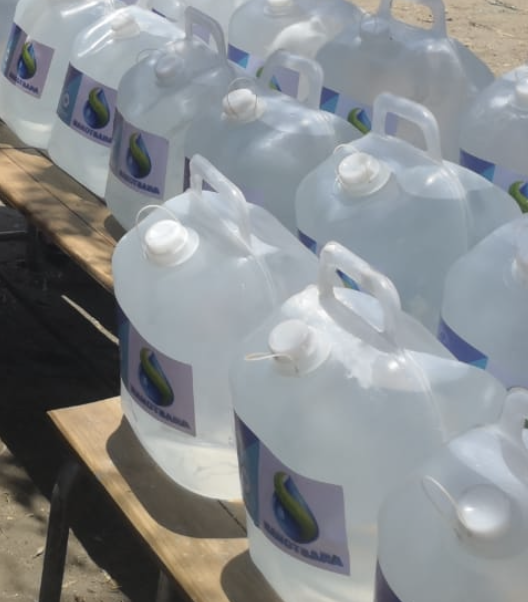
Lack of clean water is one of the greatest threats to survival.
Dispatches from CRMF’s partner, ONG St. Gabriel
An estimated 99 percent of the local population has been affected in the week since Cyclone Gezani tore through Toamasina on Feb. 10 with violent winds and torrential rain.
The scale of devastation varies, but suffering is widespread: Some families lost everything—not a single possession could be saved. Others saw their homes partially destroyed—roofs ripped away, walls damaged. Electricity remains scarce. Many households are standing but flooded, surrounded by contaminated water and unsafe conditions.
Entire communities are exposed to hunger, disease, and darkness.
Among those affected are the staff and beneficiaries of ONG St. Gabriel, CRMF’s longtime partner in Toamasina. Despite their own personal losses, a field team swiftly activated to respond to the cyclone’s devastation—addressing urgent needs, delivering clean drinking water and bringing hope.
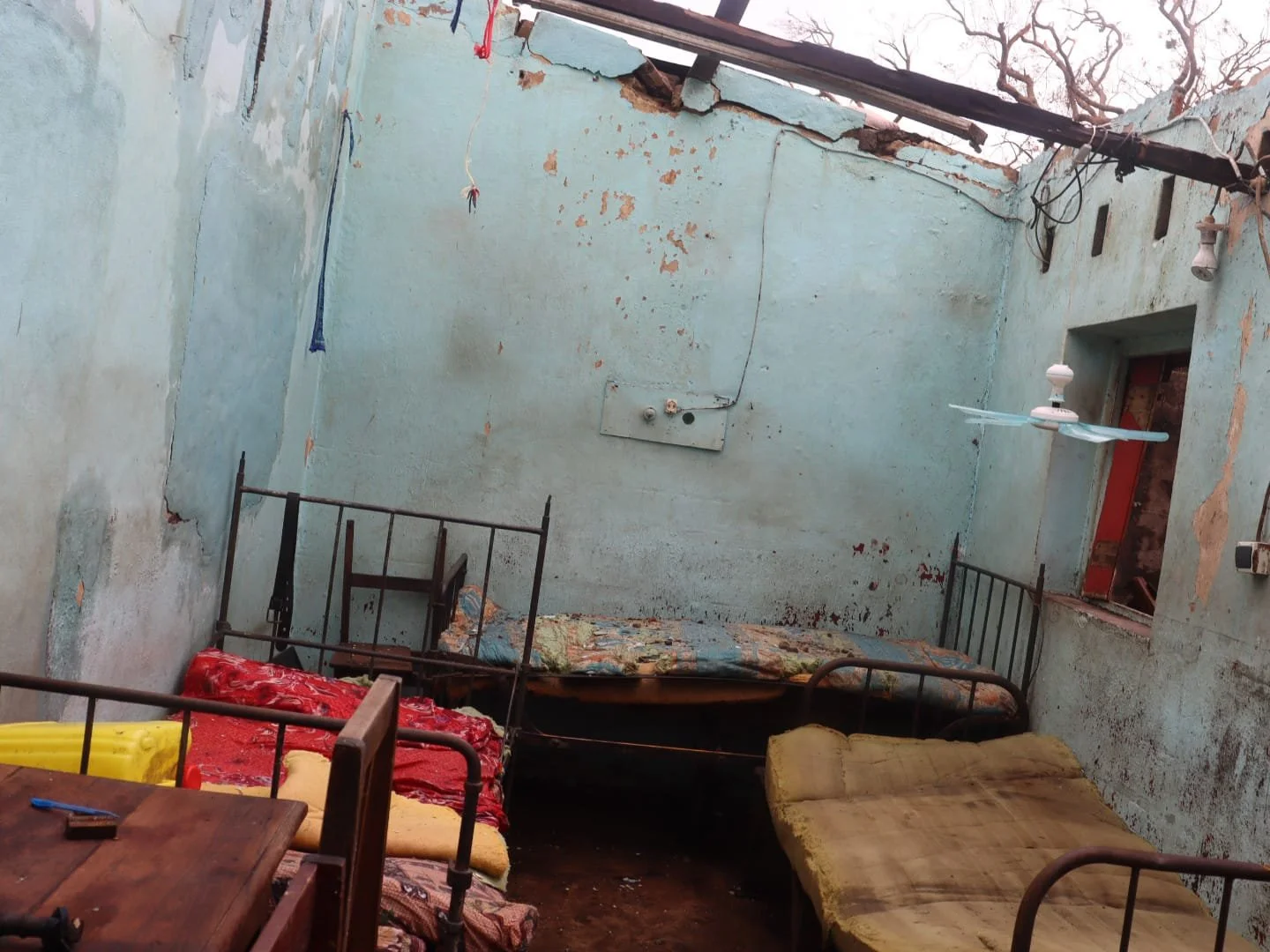
Cyclone Gezani tore through roofs
Rapid Assessment
By Feb. 12, the NGO field team was mobilized. Initial efforts focused on:
Collecting urgent field data
Identifying the most vulnerable households
Assessing damage among beneficiaries
Evaluating immediate survival needs
The findings were alarming. Entire families had lost their belongings. Floodwaters had contaminated living areas. The risk of waterborne diseases rose rapidly.
Field Visits to the Most Vulnerable
On Feb. 13, the team visited the hardest-hit families, including literacy facilitators, and found:
Homes stripped bare by wind
Essential goods washed away
Children sleeping in wet conditions
No electricity
Unsafe drinking water
The situation required immediate life-saving intervention.
Emergency Distribution Begins
On Feb. 14, after prioritizing basic survival needs, emergency distribution began.
Each vulnerable family in NGO teams received:
1 bag of 50kg of rice
Emergency water purification products
Cash assistance, empowering families to buy what they urgently need
Solar lamps, as electricity remains widely unavailable
Cash assistance was particularly critical. In emergencies, families know best what they urgently need—whether medicine, shelter repair materials, or hygiene supplies.
This approach combined food security, health protection, dignity, and autonomy.
The Water Crisis: A Race Against Time
The Ranotsara water purification facility collapsed under the cyclone’s force. However, part of the purification equipment was salvaged.
On Feb. 14, the Ranotsara technical team began emergency repairs. Despite damaged machinery and technical challenges:
Equipment was transported to Toamasina
Installation began at the St. Gabriel School shelter center
Damaged components were repaired
Water containers were disinfected
Water safety testing was conducted
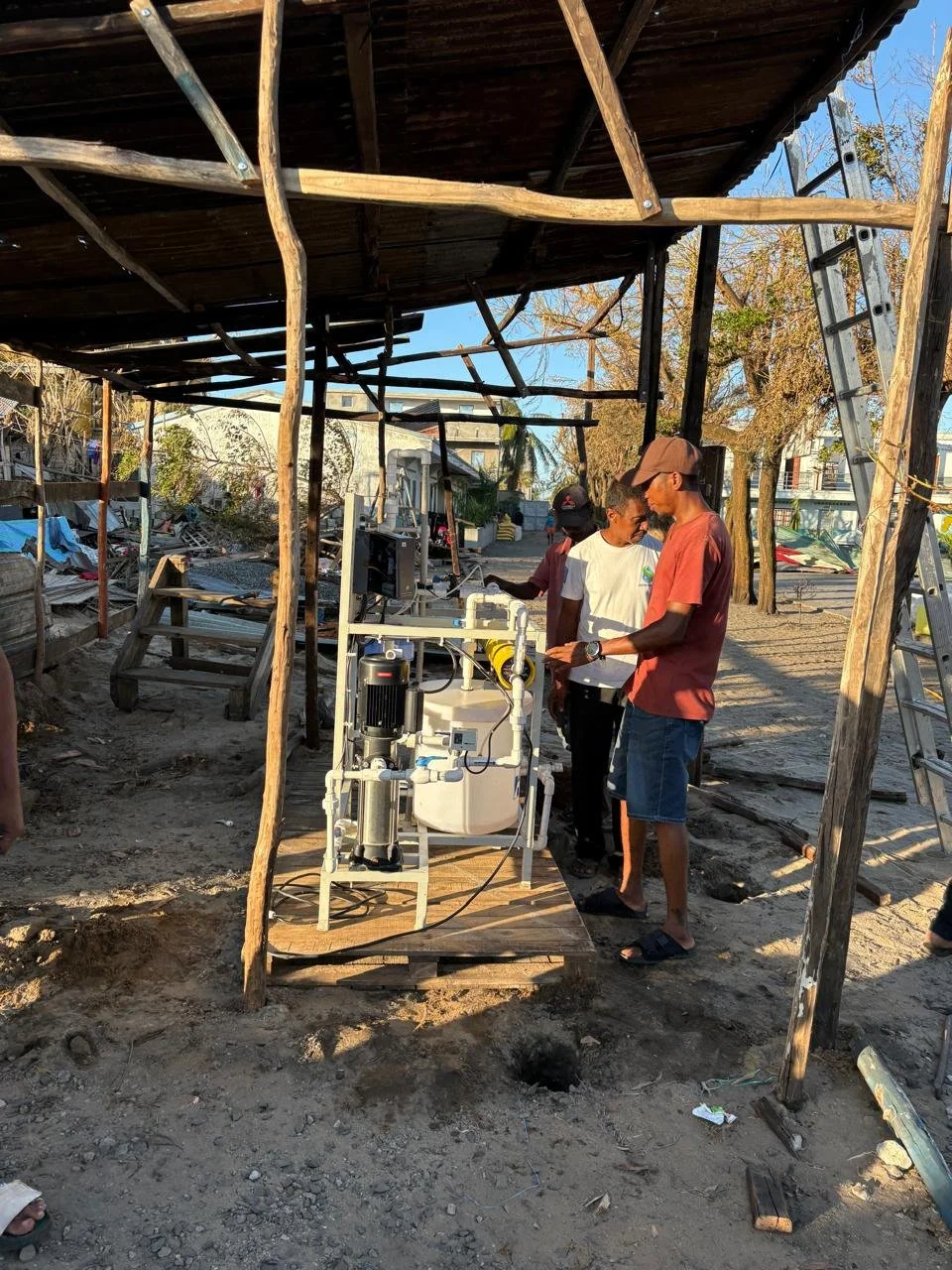
Restoring access to clean drinking water
Organizing The Response
On Feb. 16, ONG St. Gabriel teams held an internal coordination meeting to accelerate response efforts. The objective was clear: Organize, delegate, and act faster.
To ensure efficiency, the team structured responsibilities through a task dispatch system:
Coordination Team: External relations and inter-agency collaboration
Procurement Team: Purchasing essential emergency supplies
Field Team: Rapid needs assessments among beneficiaries and affected communities
Communication Team: Reporting, visibility, and donor information updates
Finance & Accounting Team: Transparency, expense tracking, and compliance
Coordinating Water Relief
On Feb. 16, ONG St. Gabriel’s coordination team joined the official WASH Cluster emergency meeting. The session was led by DREAH (Regional Directorate for Water, Sanitation, and Hygiene).
Key organizations present included:
UNICEF
Médecins Sans Frontières
Action contre la Faim
MEDER
Local and international partners
The cluster meeting focused on:
Sharing updates on ongoing emergency interventions
Identifying who operates in which geographic zones
Avoiding duplication of efforts
Exploring possible collaborations among NGOs
This coordination step is essential to ensure an organized and complementary humanitarian response.
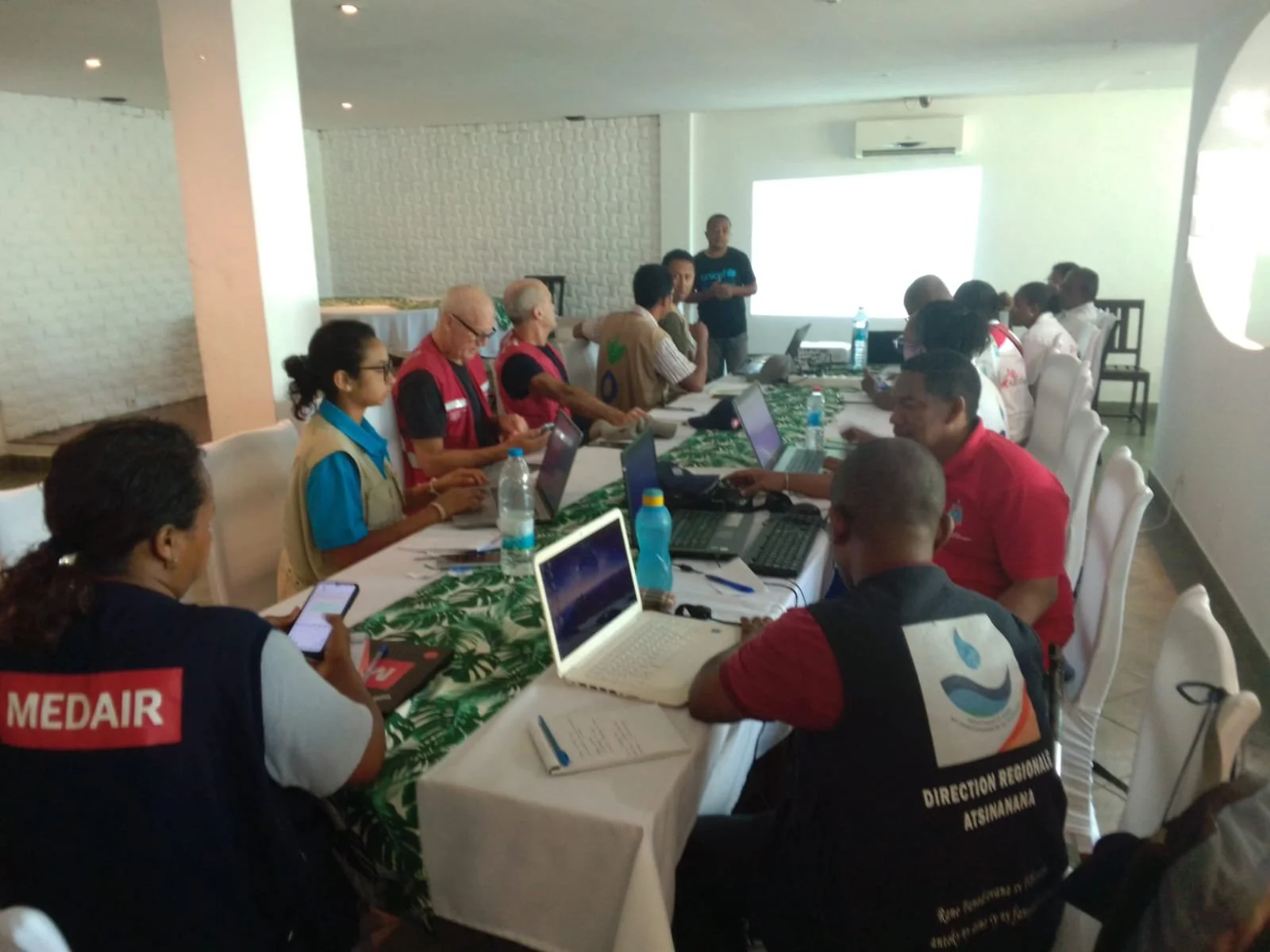
Aid groups unite
Distribution of Purified Water
The distribution of purified water began on Feb. 17 in Toamasina for cyclone-affected individuals sheltered at the St. Gabriel center, as well as residents of the surrounding impacted areas.
The association Manavao was simultaneously supplied to support its teams engaged in street cleaning operations, waste collection, and the removal of fallen trees.
In the afternoon, many residents from nearby neighborhoods also came to collect water.
In response to the emergency, ONG St. Gabriel is providing its purified water brand,
Ranotsara, which has been laboratory-tested by the Institut Pasteur de Madagascar. The water is certified as highly potable and safe for direct consumption.
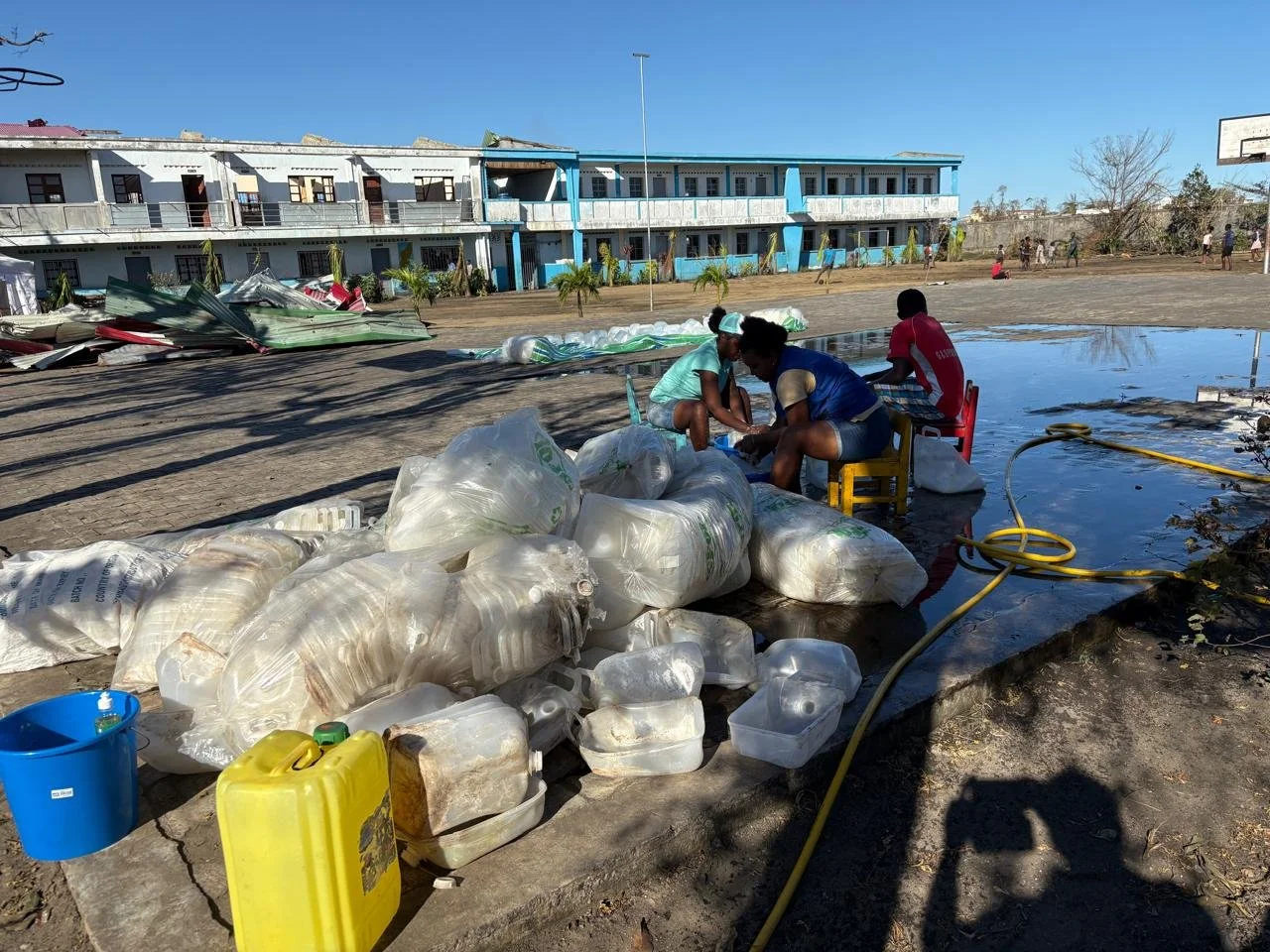
Water flows
Expansion of Safe Water Distribution Sites in Toamasina
In response to recommendations from the WASH Cluster and the growing demand from affected communities, ONG St. Gabriel is expanding its water distribution network across Toamasina.
Four additional shelter sites now are being served:
Foyer Social Canada
David Jhons School
EPP 1904 Antanambao II
EPP La Foire (near Hôpital Kely)
This expansion aims to ensure broader access to the most critical emergency need: safe drinking water. The NGO continues its commitment to providing essential basic needs, with a strong focus on preventing health risks linked to unsafe water consumption.
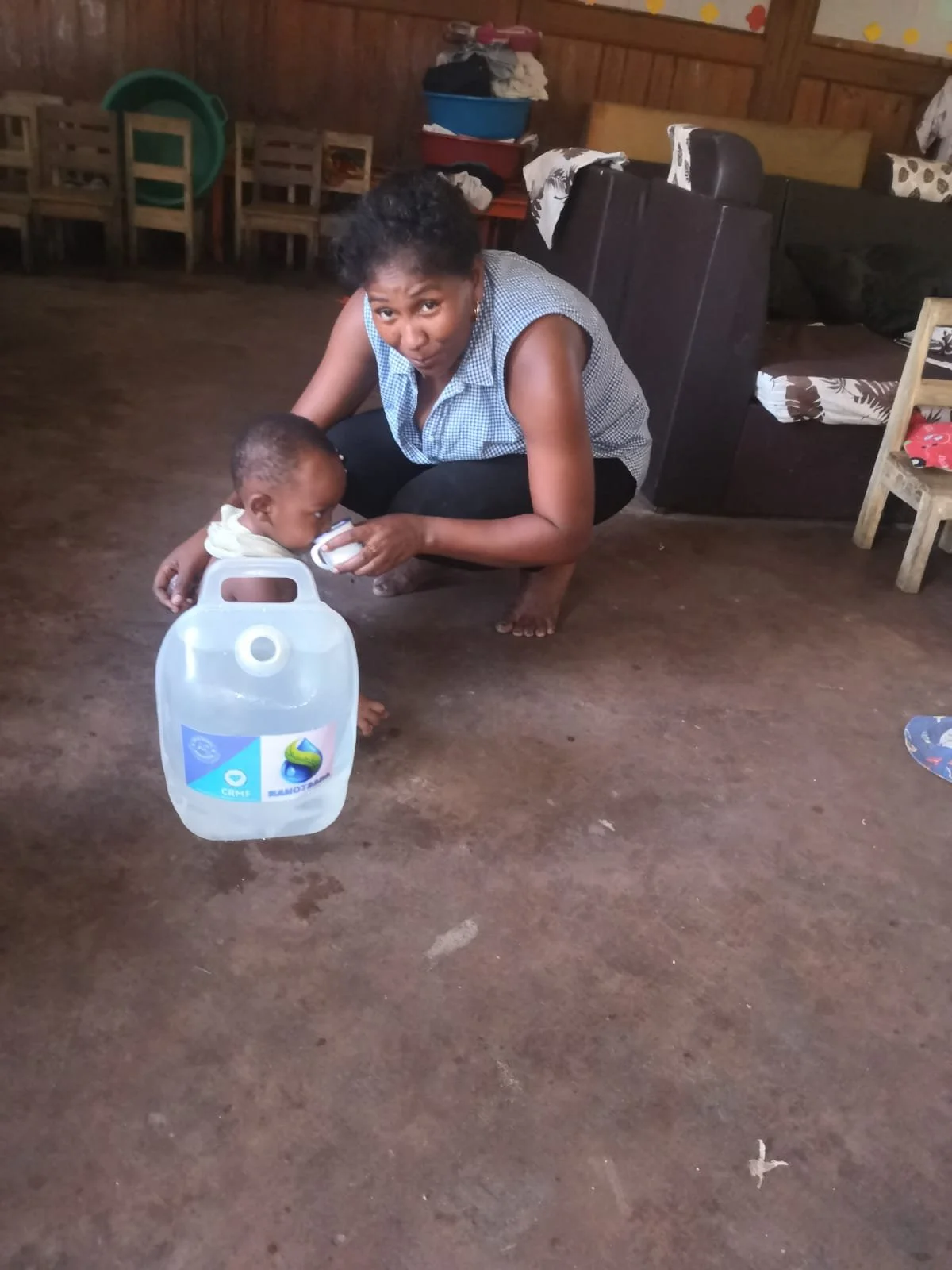
Mrs. Félicitine Judith, teacher at Saint Gabriel College, and her son, Avellin Melvinni (1 year old)
