
Gezani Relief Expands To Women Entrepreneurs
Dispatches from CRMF’s partner, ONG St. Gabriel
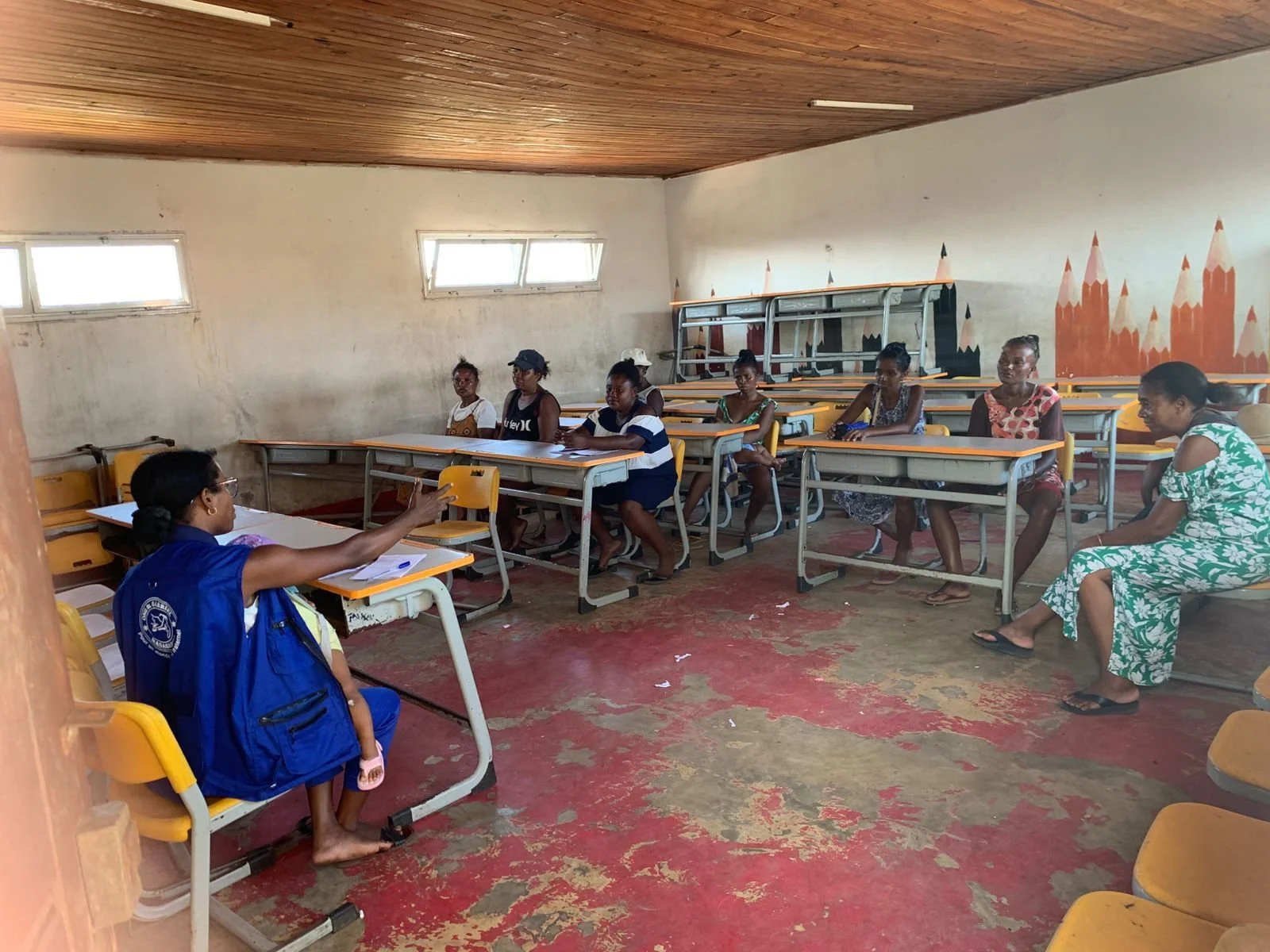
Self-Help Group Vonona members meet after the storm
A pillar of CRMF’s outreach in Toamasina, the Self-Help Group program focuses on nurturing income-generating activities among economically vulnerable women.
The women who participate in these Self-Help Groups have been particularly hard-hit by Cyclone Gezani. Beyond the hardships the storm foisted on their homes and within their families, many also have faced severe disruptions to their income-generating activities.
Our partners have worked diligently to support their recovery. After initially evaluating staff members affected by the cyclone, local teams expanded outreach to Self-Help Groups in and around Toamasina.
In the weeks following Cyclone Gezani’s assault, ONG St. Gabriel conducted field visits and began assessments of dozens of Self-Help Groups, comprising hundreds of women in rural and urban areas.
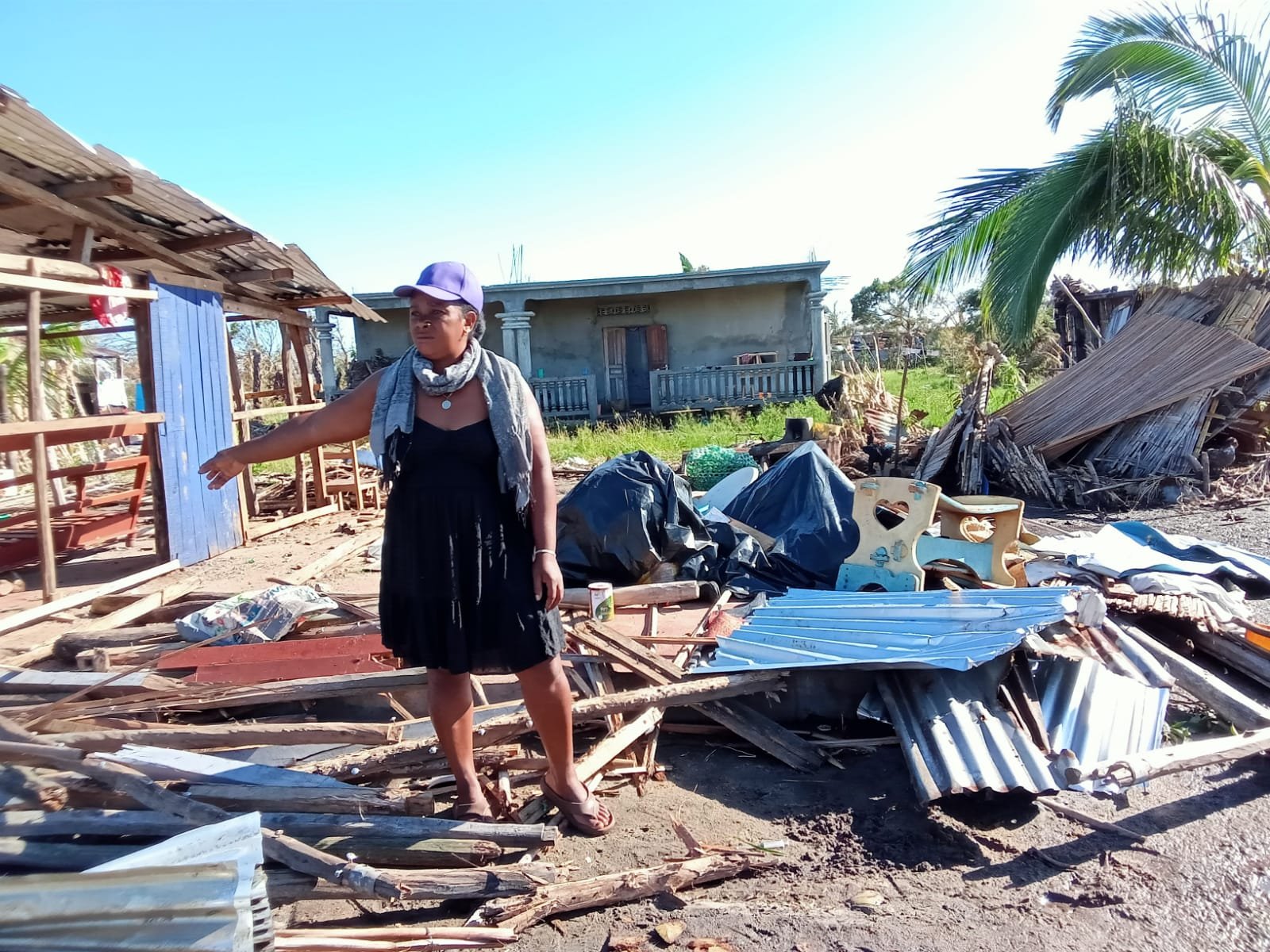
Madame Anitha José, Treasurer of SHG Fanasina Tsararivotra: “The cyclone completely destroyed our sources of income and our entire life at home. The furniture, our belongings, everything is gone. Today, we are lost and disoriented. We are alive, yes, but we do not know where to go or how to start again. Our daily work, our livelihood, has been wiped out. We do not know when we will recover. For now, we are simply here… in uncertainty.”
Many of these groups have proposed plans to begin anew income-generating activities such as chicken, pig and duck farming. Others have begun the process of rebuilding their businesses, working to overcome the destruction of equipment, inventory and shops.
Members of SHG Finoana plan to strengthen their collective income-generating activities, particularly the production and marketing of packaged chili and chips, as part of their economic recovery strategy.
SHG Vonona members expressed a commitment to relaunch their collective poultry business after the cyclone destroyed an incubator and their eggs. Despite these losses, the group remains determined to move forward.
SHG Karetsika plans to relaunch chicken farming, while SHG Mahasoa will prioritize the relaunch of banana-chip production and banana-flour processing, despite the destruction of their sales outlet.
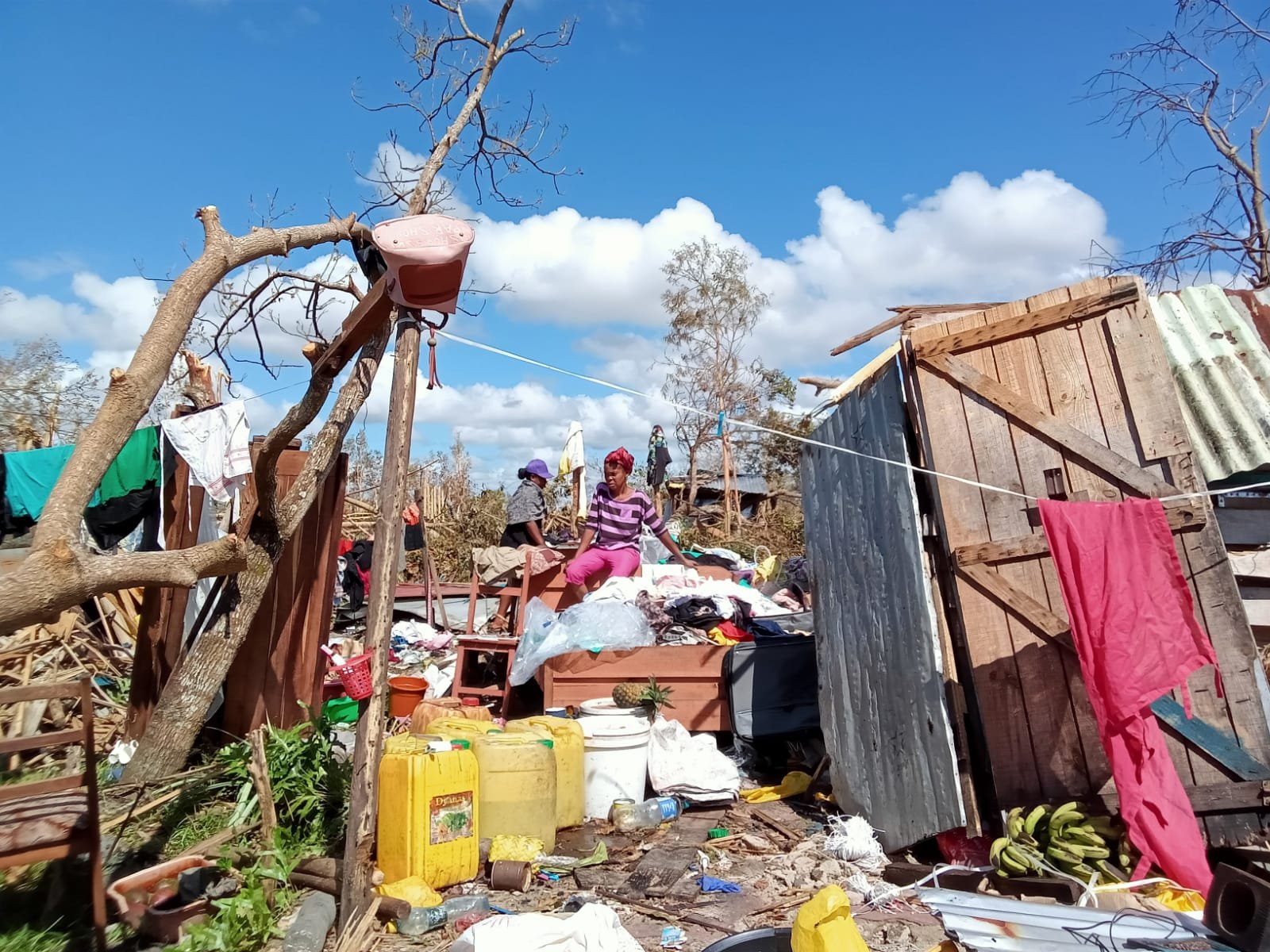
Member of an urban Self-Help Group: “We thank God that we are still alive after the cyclone. But look at what happened to us. When the winds became violent, we had to flee. During that time, our belongings were looted. The few valuable things we had—a bicycle, stored rice, a little money—everything disappeared. Today, we have no shelter. We could save nothing. And until now, we are not even able to return to work.”
Proposals among Self-Help Groups to rebuild their varied money-generating endeavors include livestock purchases, equipment repair and shop reconstruction. Support for these women will blend collective assistance and individual support.
Outreach shows a strong will among these tight-knit groups to rebuild their livelihoods. Field assessments point to the need for flexible, differentiated support—combining targeted financial assistance, technical guidance and structured follow-through—to strengthen these SHG-led recovery efforts.
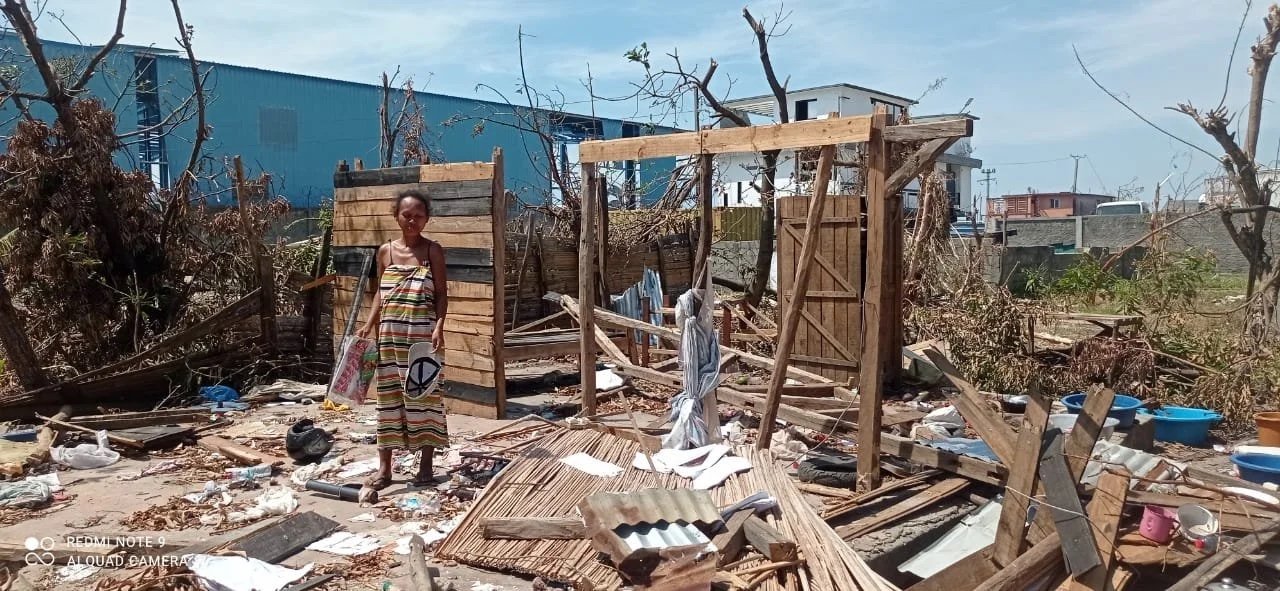
Fruit & Épices: A startup supported by La Fabrique, a business incubator and ally of CRMF, already was active in export markets before the cyclone’s impact. Raw materials were destroyed and, more critically, the main production machine used for processing spices and dried fruits was stolen during the night. This equipment represented the company’s most significant investment and the core of its operations. Despite these losses, the business is attempting a gradual recovery and is striving to fulfill an urgent 50 kg order to maintain client trust and sustain its operations.
